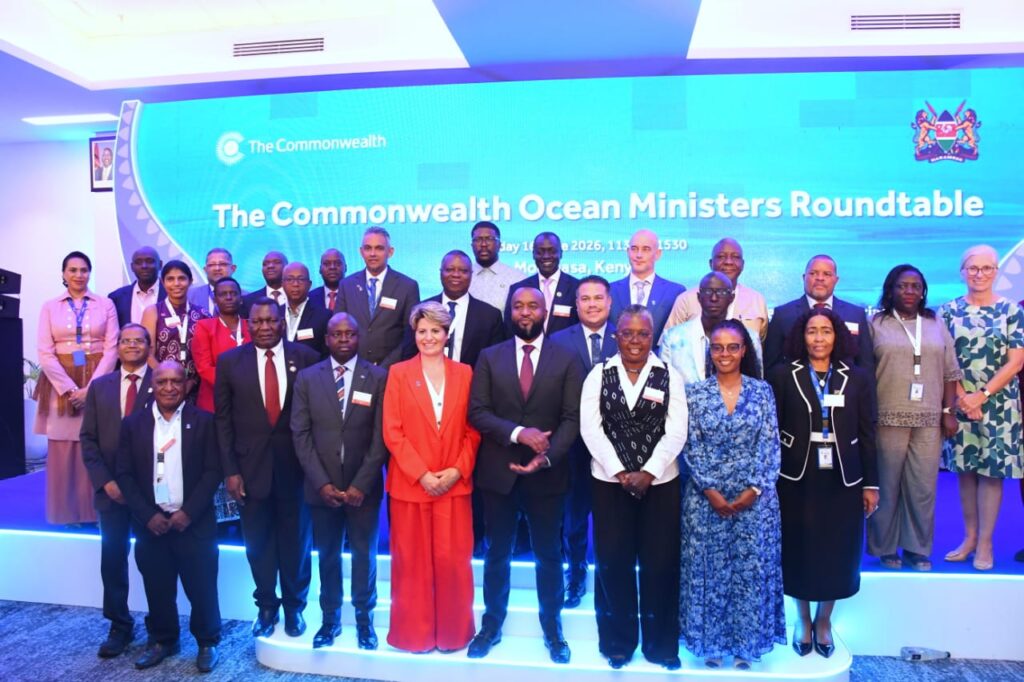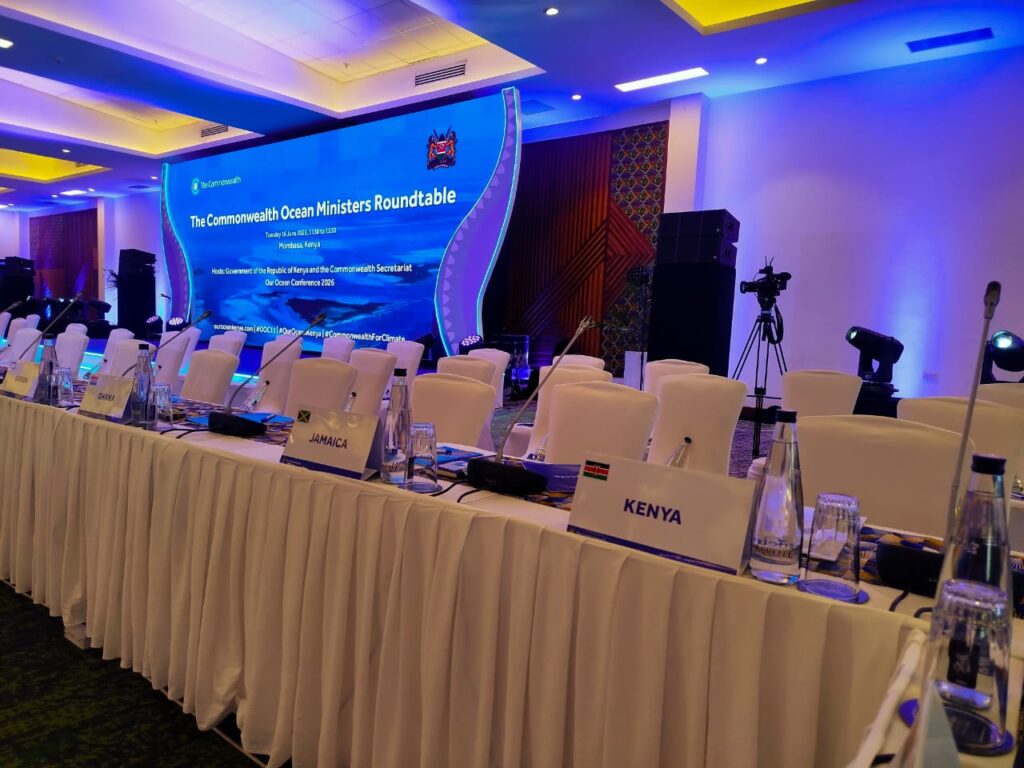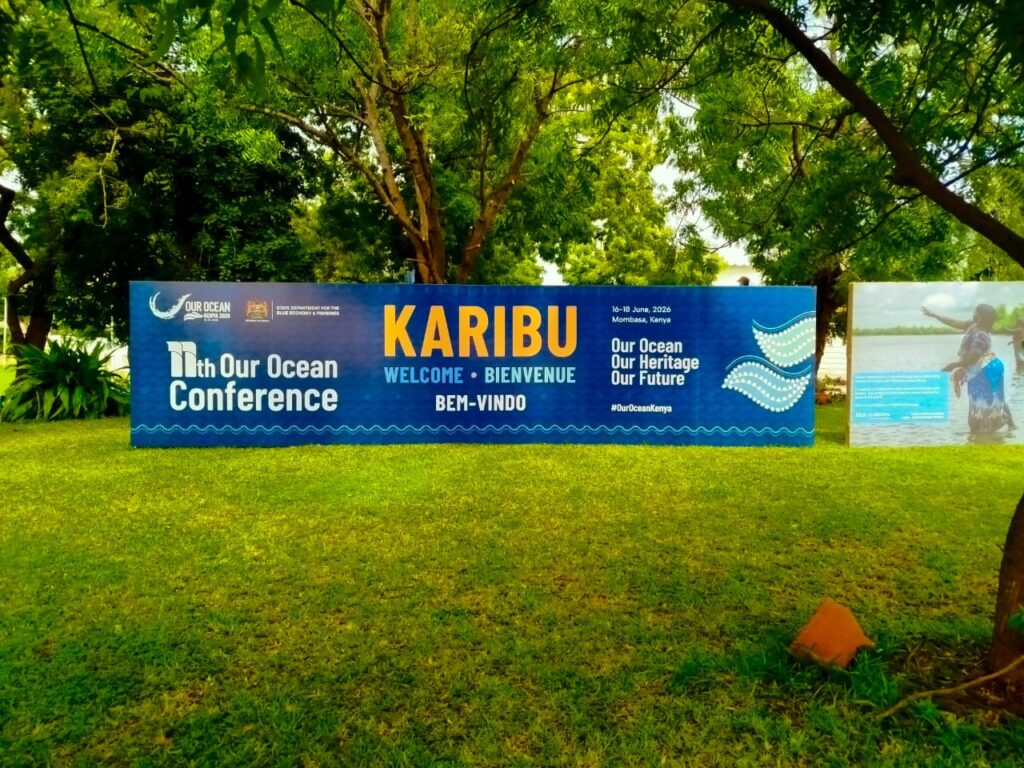
Oceans dominated the closing moments of the 11th Our Ocean Conference (OOC11) as global leaders challenged governments, businesses, and communities to move beyond pledges and embrace practical solutions for the future of the planet.
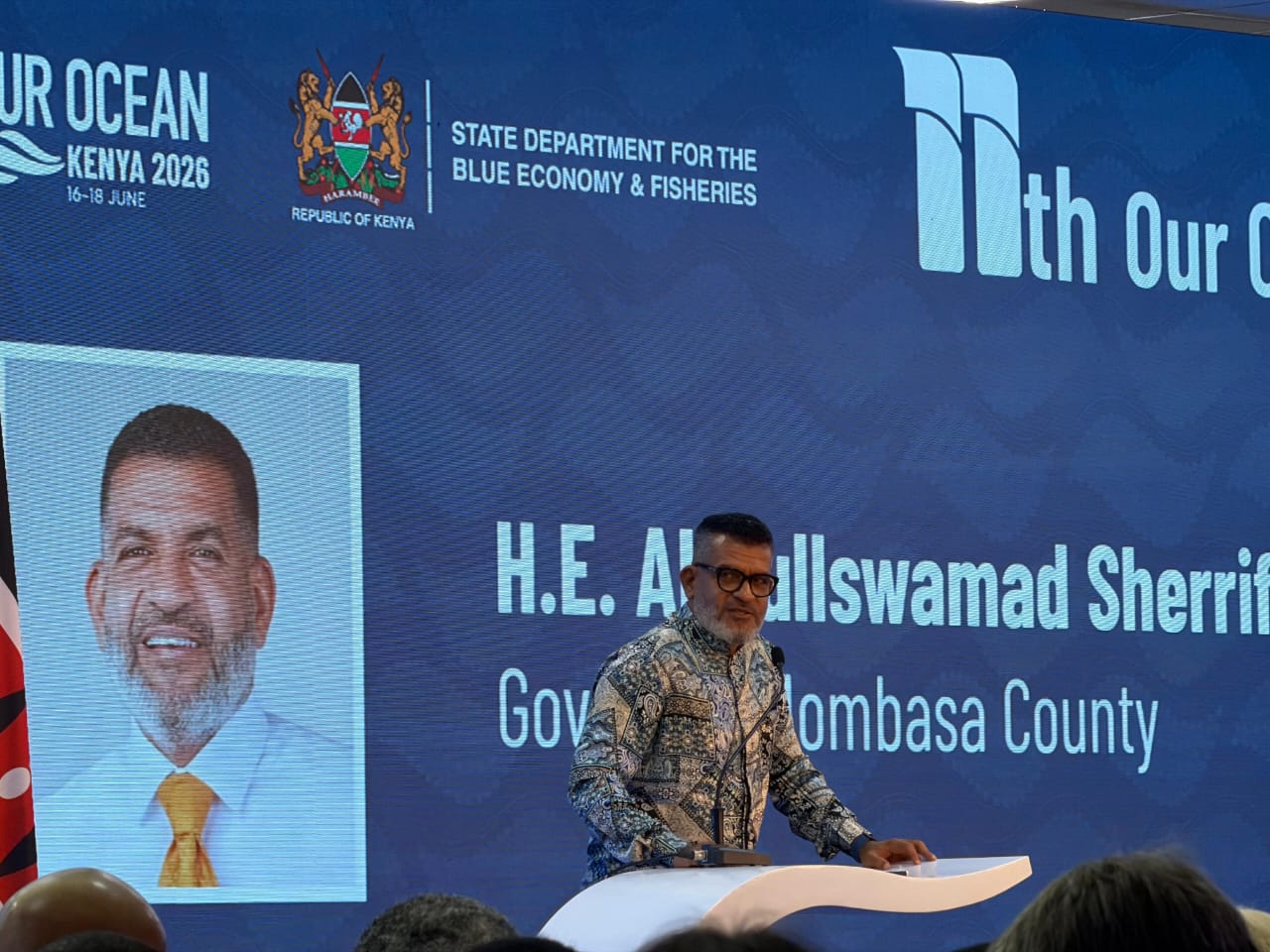
The three-day conference, held in Mombasa from June 16 to 18, marked a historic milestone as the first Our Ocean Conference ever hosted on African soil. Under the theme “Our Ocean, Our Heritage, Our Future.” The gathering brought together heads of state, policymakers, scientists, environmentalists, investors, and industry leaders from across the world to chart a new course for ocean conservation and a sustainable blue economy.
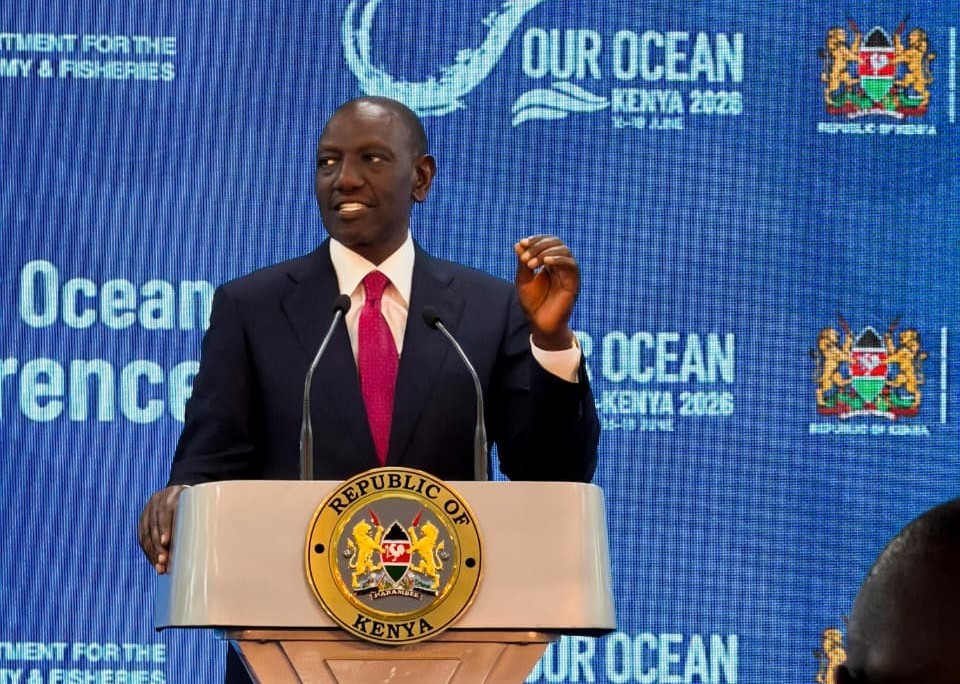
In his closing address, President William Ruto urged the international community to rethink its approach to ocean governance, warning that marine ecosystems are facing unprecedented threats from climate change, pollution, biodiversity loss, and unsustainable exploitation.
“The ocean faces significant and unprecedented challenges in the 21st century, and in this light, Kenya has made commitments worth 1.1B US dollars in support of the Blue Economy Sector,” President Ruto told delegates.
The president said Kenya had deliberately positioned the blue economy at the center of its development agenda, noting that ocean resources hold immense potential for economic growth, food security, and job creation.
“Kenya has a dedicated state department for the blue economy and fisheries since 2023, and over 20B Kenyan shillings have been invested in our blue economy ecosystem,” he said.
President Ruto challenged world leaders to ensure that commitments made during the conference translate into measurable outcomes.
“We do not merely host this conference; we help carry its vision. The world has one option: to turn political promise into real action towards a sustainable and resilient ocean.”
Our Ocean Conference is an annual global platform that brings together governments, industry leaders, scientists, and civil society organizations to advance practical commitments for ocean conservation and sustainable use of marine resources. During the closing ceremony, Kenya formally passed the baton to Canada, which will host the 12th edition of the conference in 2027, ensuring continuity of the global dialogue on ocean protection and the blue economy.
The President’s remarks reflected a recurring theme throughout the conference: that the global conversation on oceans must shift from ambition to implementation as the world races against time to meet conservation and climate targets. Delegates repeatedly emphasized the need for stronger financing, enhanced marine protection, sustainable fisheries management, and regional cooperation to safeguard ocean resources for future generations.
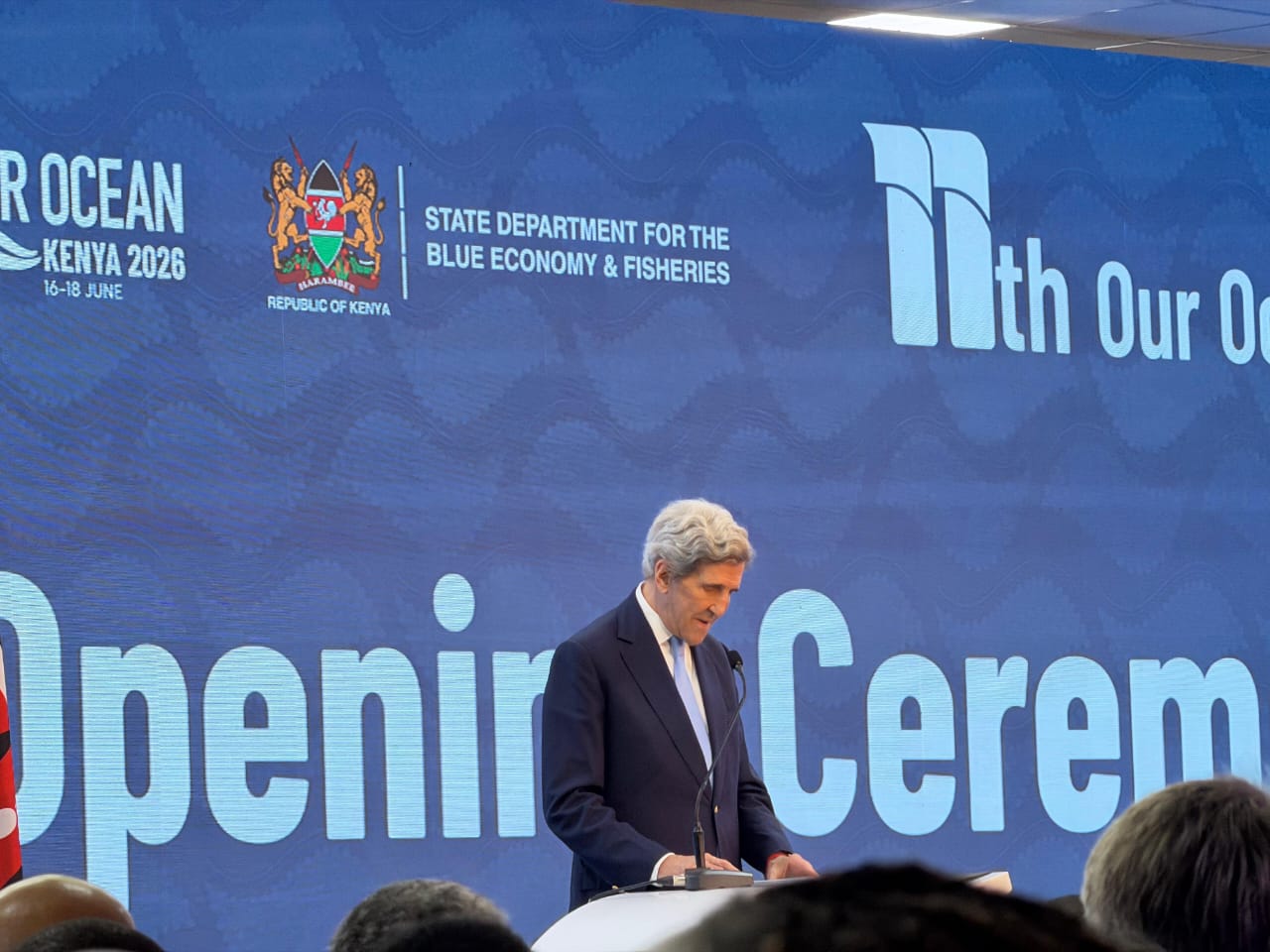
One of the most anticipated voices at the conference was former United States Secretary of State John Kerry, the founder of the Our Ocean Conference initiative, which was launched in 2014 and has since mobilized thousands of commitments worth billions of dollars for ocean conservation.
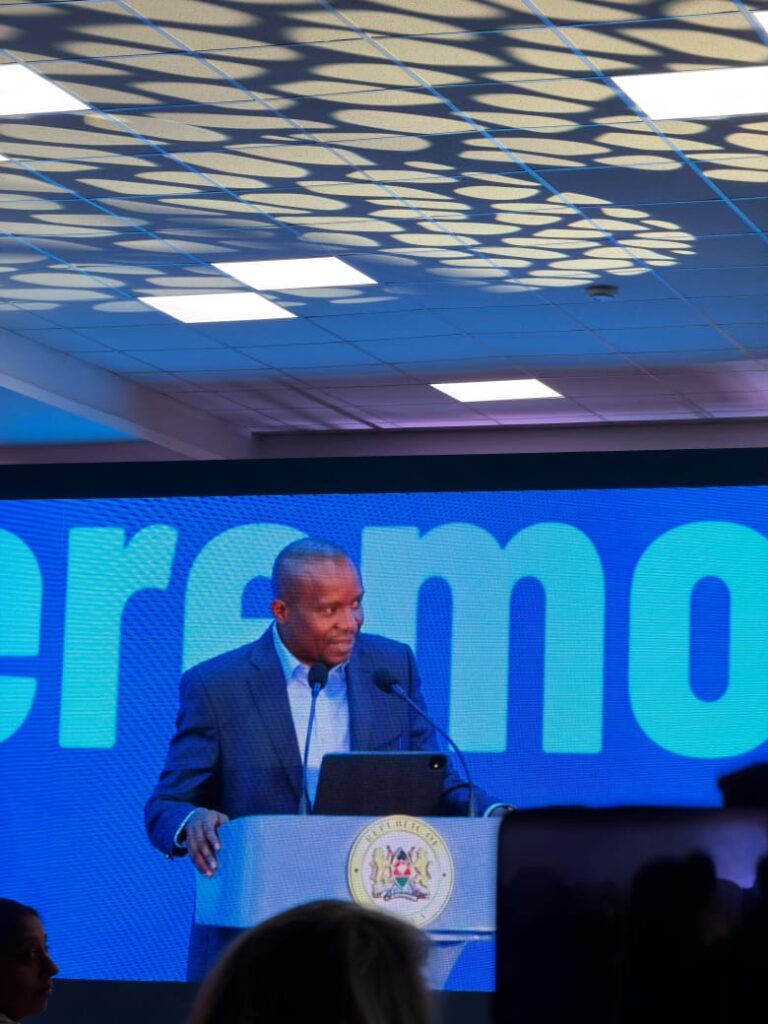
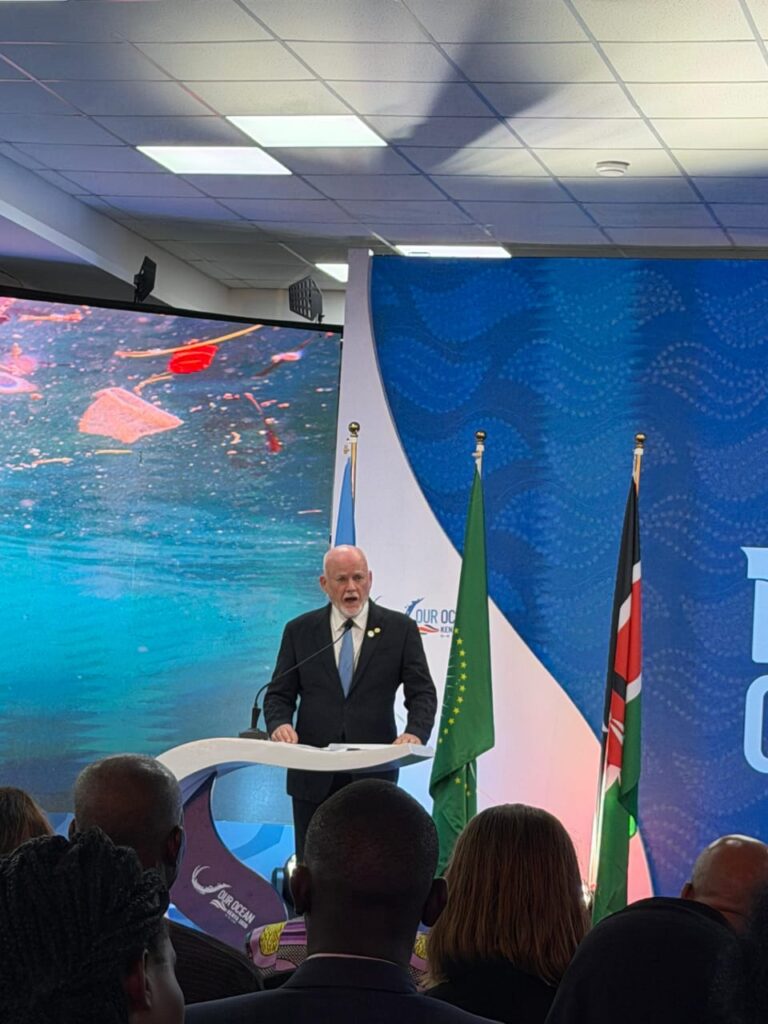
Addressing delegates during the opening ceremony, Kerry delivered a stark reminder that the health of humanity is inseparable from the health of the seas.
“We cannot have a healthy planet unless we have a healthy ocean. Humanity must know that the ocean is the earth’s life support system,” he said.
Kerry warned that scientific evidence on the deterioration of marine ecosystems continues to outpace political action.
“Time has come for the political will to catch up with the science as far as protecting our oceans is concerned,” he said.
He further challenged governments to place ocean conservation at the center of climate discussions and development planning.
“We must be alive to the fact that the ocean can no longer be an afterthought in matters of climate policy.”
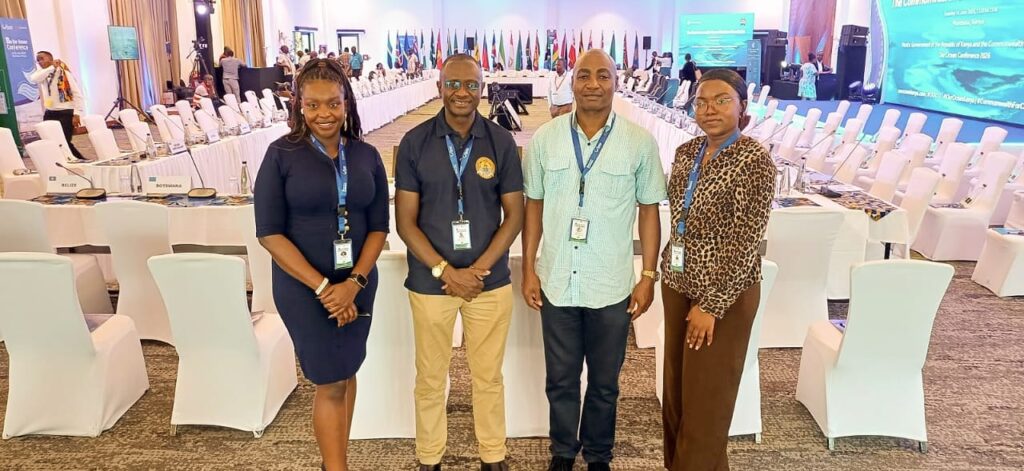
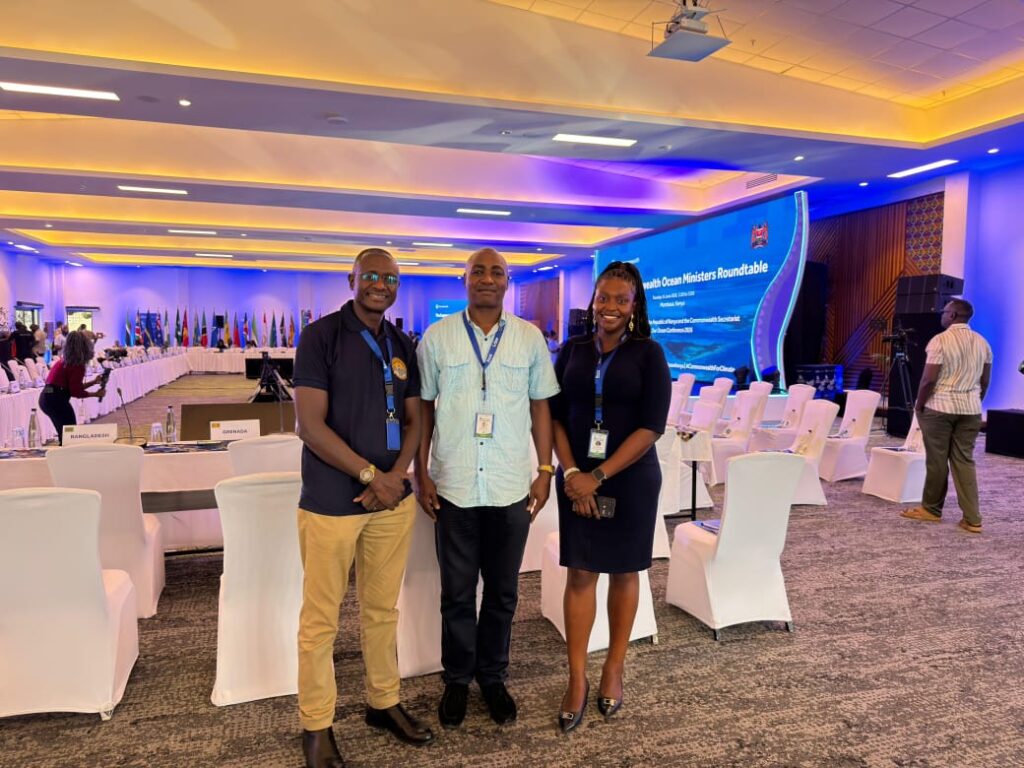
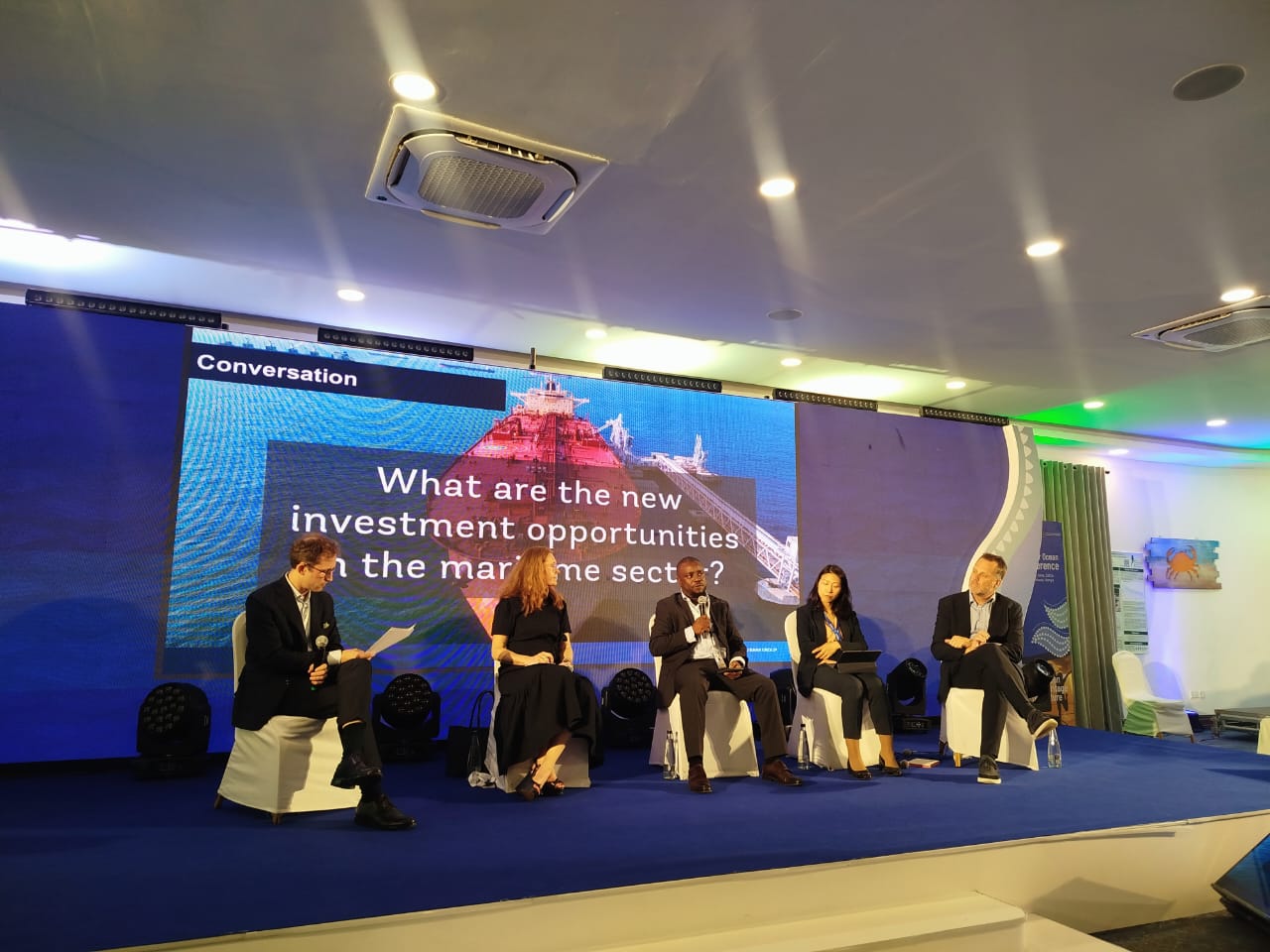
Throughout the conference, participants highlighted the critical role oceans play in regulating the global climate, sustaining biodiversity, supporting livelihoods, and ensuring food security for billions of people worldwide. Discussions focused on marine protected areas, climate resilience, maritime security, sustainable fisheries, pollution control, and financing mechanisms for the blue economy.
The conference also underscored Africa’s growing leadership in ocean governance, with delegates praising Kenya for successfully hosting the global event and placing the continent’s maritime opportunities and challenges firmly on the international agenda.
As delegates departed Mombasa, the message from OOC11 was unmistakable: the future of the ocean cannot be secured through declarations alone. It will require sustained investment, political courage, scientific innovation, and collective action to ensure that the world’s oceans continue to sustain life, livelihoods, and prosperity for generations to come.
As the global maritime industry embraces cleaner and more sustainable technologies, Kenya Shipyards Limited has an opportunity to contribute meaningfully to this conversation by championing alternative marine fuels and environmentally responsible shipbuilding practices. Moving forward, KSL and other shipbuilders must align with emerging technologies that reduce vessel emissions and environmental pollution while upholding internationally recommended marine waste disposal mechanisms as they continue building and repairing vessels that support the global economy.